SIGNALS.PRESS
EST. 2025|BOSTON_MA
[ CLICK TO INITIALIZE ]
SIGNALS.PRESS
SIGNALS Press is a design and culture imprint that explores creative legacies new and old, and the intersections between structure, space, and sound.
[ SCROLL TO EXPLORE OUR 2026 CATALOG ]
Top 100 Podcasts of All Time
Time Magazine
ITEM_TYPESIGNAL_BOOK_001
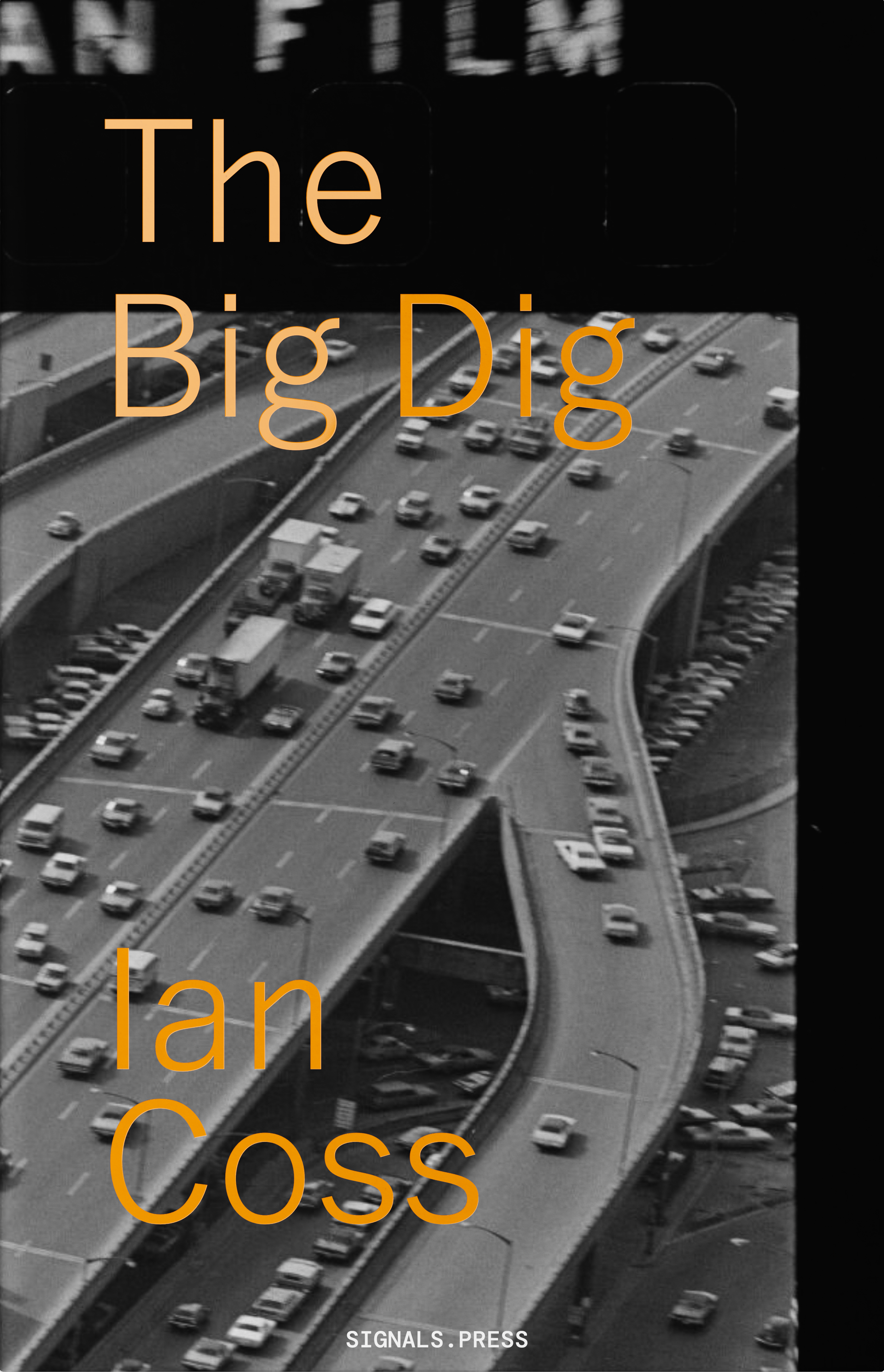
TITLEThe Big Dig
AUTHORGBH News and Ian Coss
ISBN978-1-63804-001-2
TRIM_SIZE210 × 280 mm
PAGE_COUNT320
PRINT_SPECS2/1 Offset
SIGNAL_LOCKED
The Big Dig
GBH News and Ian Coss
The complete, annotated transcript of the acclaimed Big Dig podcast, presenting the definitive oral history of a process that started with a populist anti-highway movement and resulted in Boston’s monumental infrastructure project.
This book brings the Big Dig podcast, a Time magazine Top 100 Podcasts of All Time, to the page. A curated reconstruction of this rich urban history, using the show’s transcript as its backbone—enriched with archival images, maps, and annotations—it preserves the voices, memories, and debates that shaped the nation’s most ambitious urban infrastructure project.
Host Ian Coss leads readers through the experiences of the larger-than-life personalities who shaped the narrative beginning with Boston’s highway revolts—grassroots resistance to mid-century roadbuilding—and culminates with the Central Artery/Tunnel Project: an engineering feat that buried an interstate, reshaped a city’s surface, and redefined American infrastructure. The book offers historical photographs, planning documents, and sidebars that clarify technical terms and contextualize key events, making this a definitive reference for students, practitioners, and the general reader.
This book brings the Big Dig podcast, a Time magazine Top 100 Podcasts of All Time, to the page. A curated reconstruction of this rich urban history, using the show’s transcript as its backbone—enriched with archival images, maps, and annotations—it preserves the voices, memories, and debates that shaped the nation’s most ambitious urban infrastructure project.
Host Ian Coss leads readers through the experiences of the larger-than-life personalities who shaped the narrative beginning with Boston’s highway revolts—grassroots resistance to mid-century roadbuilding—and culminates with the Central Artery/Tunnel Project: an engineering feat that buried an interstate, reshaped a city’s surface, and redefined American infrastructure. The book offers historical photographs, planning documents, and sidebars that clarify technical terms and contextualize key events, making this a definitive reference for students, practitioners, and the general reader.
10-years in the making
ITEM_TYPESIGNAL_BOOK_002
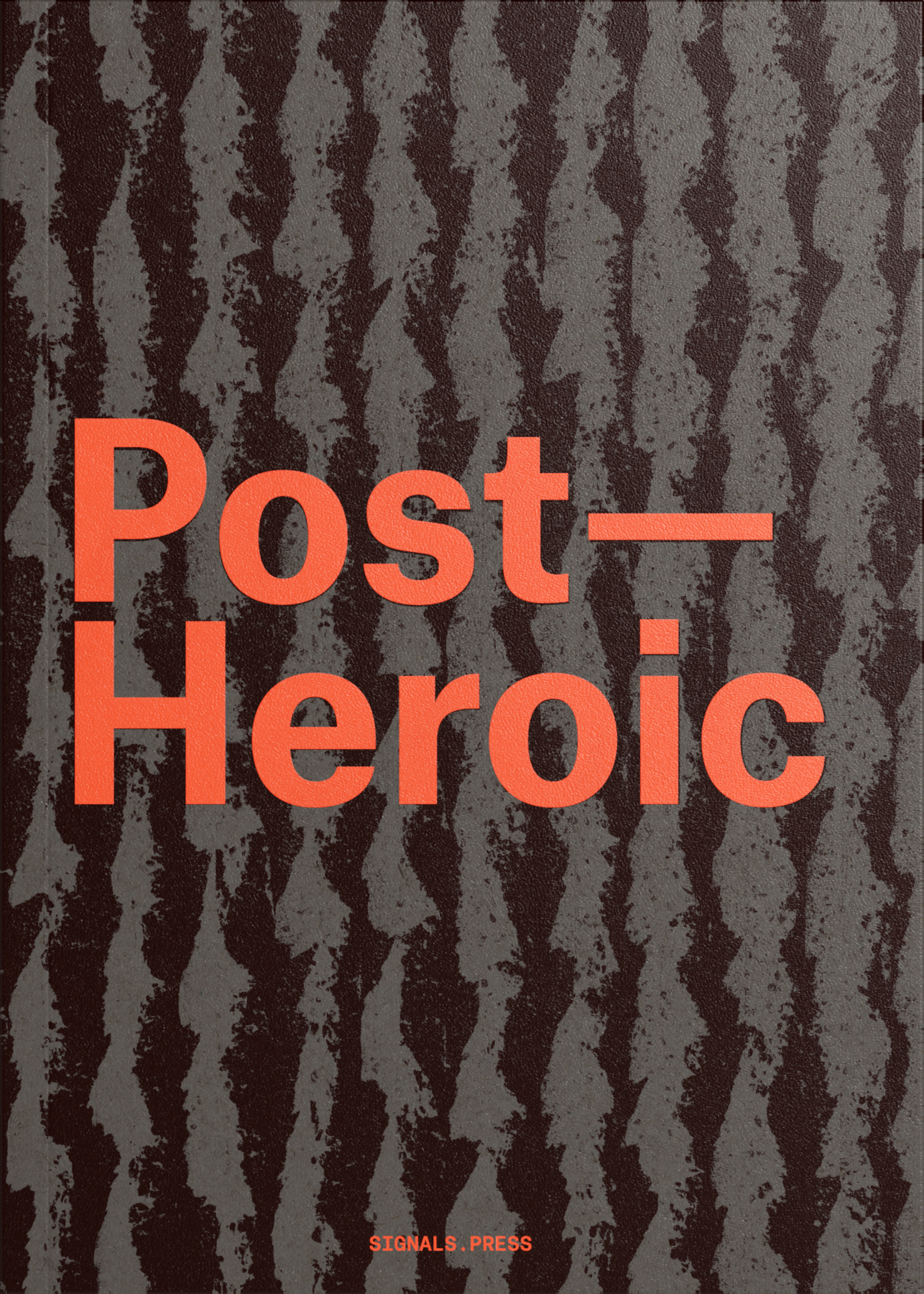
TITLEPost-Heroic
AUTHORChris Grimley
ISBN978-0-93110-334-5
TRIM_SIZE170 × 240 mm
PAGE_COUNT256
PRINT_SPECSK + 1 Spot
SIGNAL_LOCKED
Post-Heroic
Elegy and Recovery|Chris Grimley
Building on the extensive research and impact of its predecessor, Heroic: Concrete Architecture and the New Boston, this volume re-examines the complicated legacy of Brutalism through a contemporary lens. The collection brings together archival interviews with the original protagonists of Boston’s concrete era—including Henry N. Cobb, Araldo Cossutta, and Michael McKinnell—to recover the optimism and "urban ideals" that drove the city’s midcentury transformation. By framing these structures as "Heroic" rather than "Brutal," the authors argue that these buildings were not designed with the "bad intentions" their popular reputation suggests, but were instead powerful, ethical monuments to a civic-minded era that embraced the future wholeheartedly.
While celebrating the architectural power of these landmarks, Post-Heroic also serves as an urgent "eulogy" and advocacy tool for a built heritage currently under siege. Through haunting photography of demolitions and transcripts from public debates, the book explores the "vicious cycle" of active neglect and vilification that threatens to erase an entire epoch of architecture. It navigates what the authors call the "ugly valley"—the precarious period when a building is no longer new but not yet widely valued as historic—to make a compelling case for sensitive modifications and reuse over destruction. Ultimately, the book challenges us to look beyond simplistic labels of "pretty" or "ugly" to appreciate the spectacular imagination and durability of America’s concrete heritage before it is lost forever.
While celebrating the architectural power of these landmarks, Post-Heroic also serves as an urgent "eulogy" and advocacy tool for a built heritage currently under siege. Through haunting photography of demolitions and transcripts from public debates, the book explores the "vicious cycle" of active neglect and vilification that threatens to erase an entire epoch of architecture. It navigates what the authors call the "ugly valley"—the precarious period when a building is no longer new but not yet widely valued as historic—to make a compelling case for sensitive modifications and reuse over destruction. Ultimately, the book challenges us to look beyond simplistic labels of "pretty" or "ugly" to appreciate the spectacular imagination and durability of America’s concrete heritage before it is lost forever.
Pulitzer Prize Winner
for distinguished criticism
ITEM_TYPESIGNAL_BOOK_003
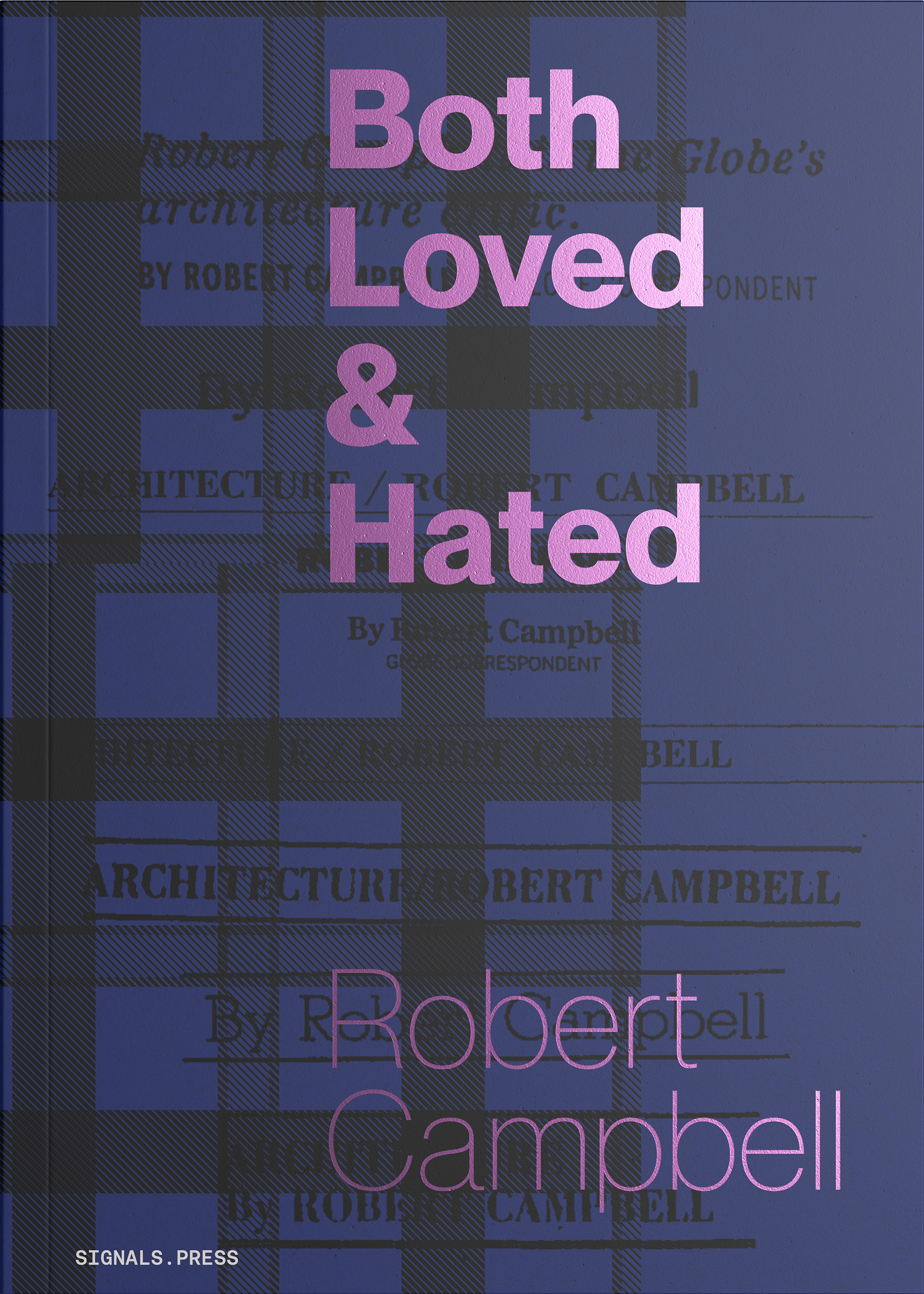
TITLEBoth Loved & Hated
AUTHOREdited by Chris Grimley
ISBN978-1-58423-744-0
TRIM_SIZE150 × 220 mm
PAGE_COUNT320
PRINT_SPECS4/4 Process
SIGNAL_LOCKED
Both Loved & Hated
Robert Campbell Collected Writings|Edited by Chris Grimley
For over three decades, Robert Campbell shaped the way Bostonians—and a national readership—understood the built environment. His essays blended sharp analysis with plainspoken insight, capturing both the poetry and politics of architecture.
This book gathers Campbell’s most significant columns, reviews, and essays into a single volume. Each piece is selected by a contemporary critic, architect, or civic figure who introduces and situates it in today’s context. Together, the collection traces a changing city and a changing profession through the lens of one of America’s most respected critical voices.
Both Loved & Hated: Robert Campbell Collected Writings serves as both a record of Boston’s architectural evolution and a testament to the enduring importance of public criticism.
This book gathers Campbell’s most significant columns, reviews, and essays into a single volume. Each piece is selected by a contemporary critic, architect, or civic figure who introduces and situates it in today’s context. Together, the collection traces a changing city and a changing profession through the lens of one of America’s most respected critical voices.
Both Loved & Hated: Robert Campbell Collected Writings serves as both a record of Boston’s architectural evolution and a testament to the enduring importance of public criticism.
kickstarter
coming soon
ITEM_TYPESIGNAL_BOOK_004
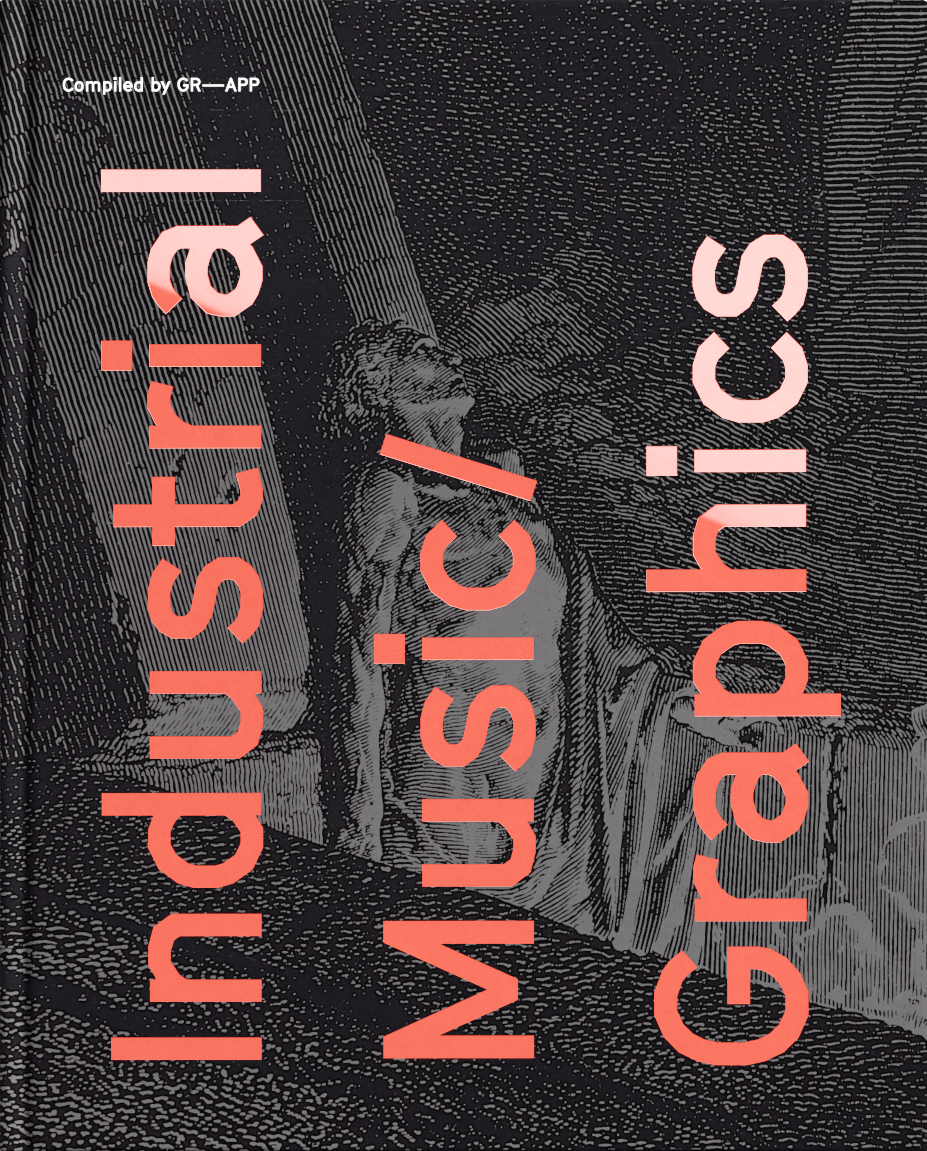
TITLEIndustrial Music/Graphics
AUTHORGR—APP
ISBN978-3-89955-442-5
TRIM_SIZE120 × 190 mm
PAGE_COUNT420
PRINT_SPECS4/4 Black
SIGNAL_LOCKED
Industrial Music/Graphics
GR—APP
Industrial Music/Graphics collects the album covers, identity visuals, and ephemera of Industrial—the revolutionary congruence of music and design keyed to the sociopolitics of the places and era where it hatched—Thatcherite England, Reagan’s America, and late-Cold War eastern Europe. A biting rebuke to conventional rock band attitudes and visual styles, this graphic language of transgression and innovation coalesced. As designers sought to reflect the alienated themes of the emerging genre, they responded to and embraced the transformative design subcurrents of their time—postmodernism, rapidly evolving computer graphics, and new possibilities in music packaging.
Across hundreds of exemplary album covers and ephemera, Industrial Music/Graphics is the first comprehensive survey of this global graphic wave, encompassing the early disconsolate, mechanized aesthetics of Throbbing Gristle and the artists enlisted for their label, Industrial Records, to the launch of mega-phenomenon Nine Inch Nails—and all points between. With contributions from the key designers who created the most striking graphics of the era—Neville Brody, Simone Grant, Steven R. Gilmore, Brian Shanley, and Rob Sheridan—Industrial Music/Graphics is the comprehensive document of a music graphics movement whose outsized influence still resonates today.
Across hundreds of exemplary album covers and ephemera, Industrial Music/Graphics is the first comprehensive survey of this global graphic wave, encompassing the early disconsolate, mechanized aesthetics of Throbbing Gristle and the artists enlisted for their label, Industrial Records, to the launch of mega-phenomenon Nine Inch Nails—and all points between. With contributions from the key designers who created the most striking graphics of the era—Neville Brody, Simone Grant, Steven R. Gilmore, Brian Shanley, and Rob Sheridan—Industrial Music/Graphics is the comprehensive document of a music graphics movement whose outsized influence still resonates today.